
Conditions Treated
Brain Tumours
Abnormal growths within the brain that may be benign or malignant. Symptoms can include headaches, seizures, or changes in vision, balance, or speech. Treatment often involves surgery and may be combined with radiotherapy or chemotherapy depending on the type and location.
Traumatic Brain Injuries (TBI)
Injuries to the brain caused by external force, often from falls, accidents, or sports injuries. These can result in bleeding, swelling, or skull fractures. Early neurosurgical intervention may be needed to relieve pressure and prevent long-term damage.
Spinal Stenosis
A narrowing of the spinal canal that places pressure on the spinal cord or nerve roots. Often associated with aging and degenerative changes, and sometimes trauma, symptoms include pain, tingling, or weakness—particularly in the legs. Surgery may be performed to relieve compression.
Degenerative Spine Conditions
Chronic wear and tear on the spinal discs and joints, leading to pain, stiffness, and reduced mobility. Includes conditions such as disc degeneration and facet joint arthritis. Management includes conservative care injections rhizotomies or surgical intervention in advanced cases.
Spine Trauma (Fractures)
Injuries to the vertebral bones due to falls, motor vehicle accidents, or high-impact trauma. Depending on severity, treatment may involve bracing, minimally invasive stabilization, or complex spinal reconstruction.
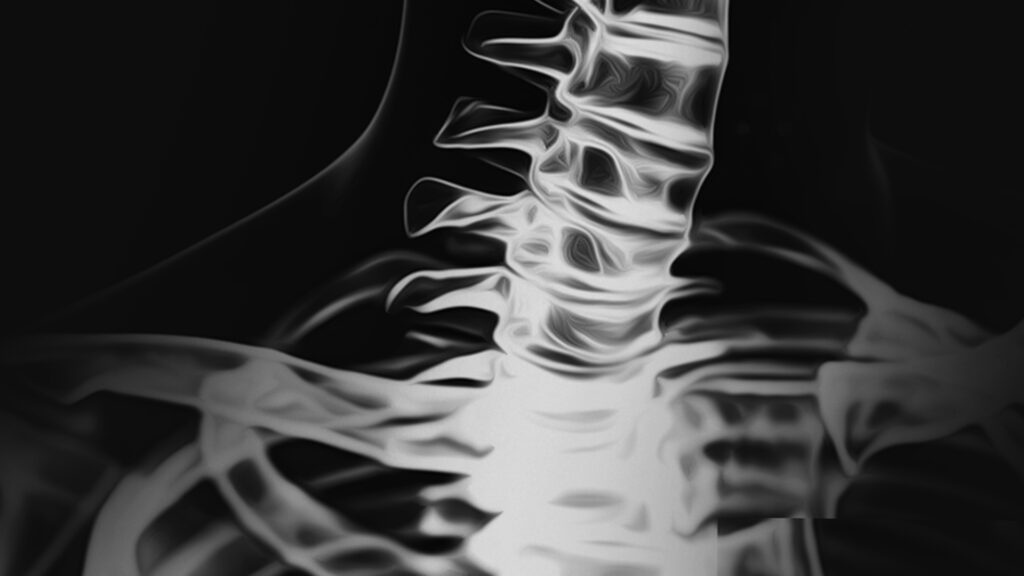
We diagnose and treat a wide range of neurological and spinal conditions using advanced, evidence-based approaches.
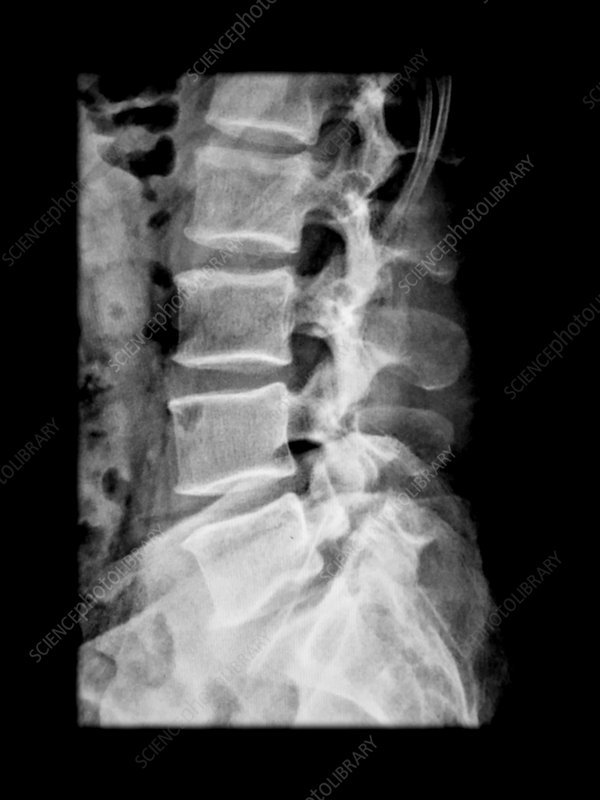
Spinal Disc Herniation
When the soft inner portion of a spinal disc pushes out through the outer layer, it can press on spinal nerves. This may lead to pain, numbness, or weakness in the back, neck, arms, or legs. Minimally invasive surgery may be recommended when conservative treatments do not relieve symptoms.
Spinal tumours
Spinal tumours are abnormal growths within or around the spinal cord or vertebrae affecting spinal function. Tumours may originate in the spine (primary) or spread from other body parts (metastatic).
Symptoms include back pain, weakness, numbness, or difficulty walking.
Peripheral Nerve Disorders
Conditions affecting the nerves outside the brain and spinal cord, such as nerve
entrapment syndromes (e.g., carpal tunnel syndrome) or nerve injuries. Symptoms include pain, tingling, numbness, and muscle weakness. Treatment may involve decompression surgery or nerve repair.
Hydrocephalus
A condition in which excess fluid accumulates in the brain & ventricles, increasing pressure. It can be congenital or acquired and is often managed through the surgical insertion of a shunt to drain the fluid and relieve pressure.
Disc Herniation
Also referred to as a slipped or bulging disc, this occurs when disc material protrudes and irritates nearby nerves. It can cause radiating pain, especially in the lower back or neck, and may be treated through targeted therapy or surgery.