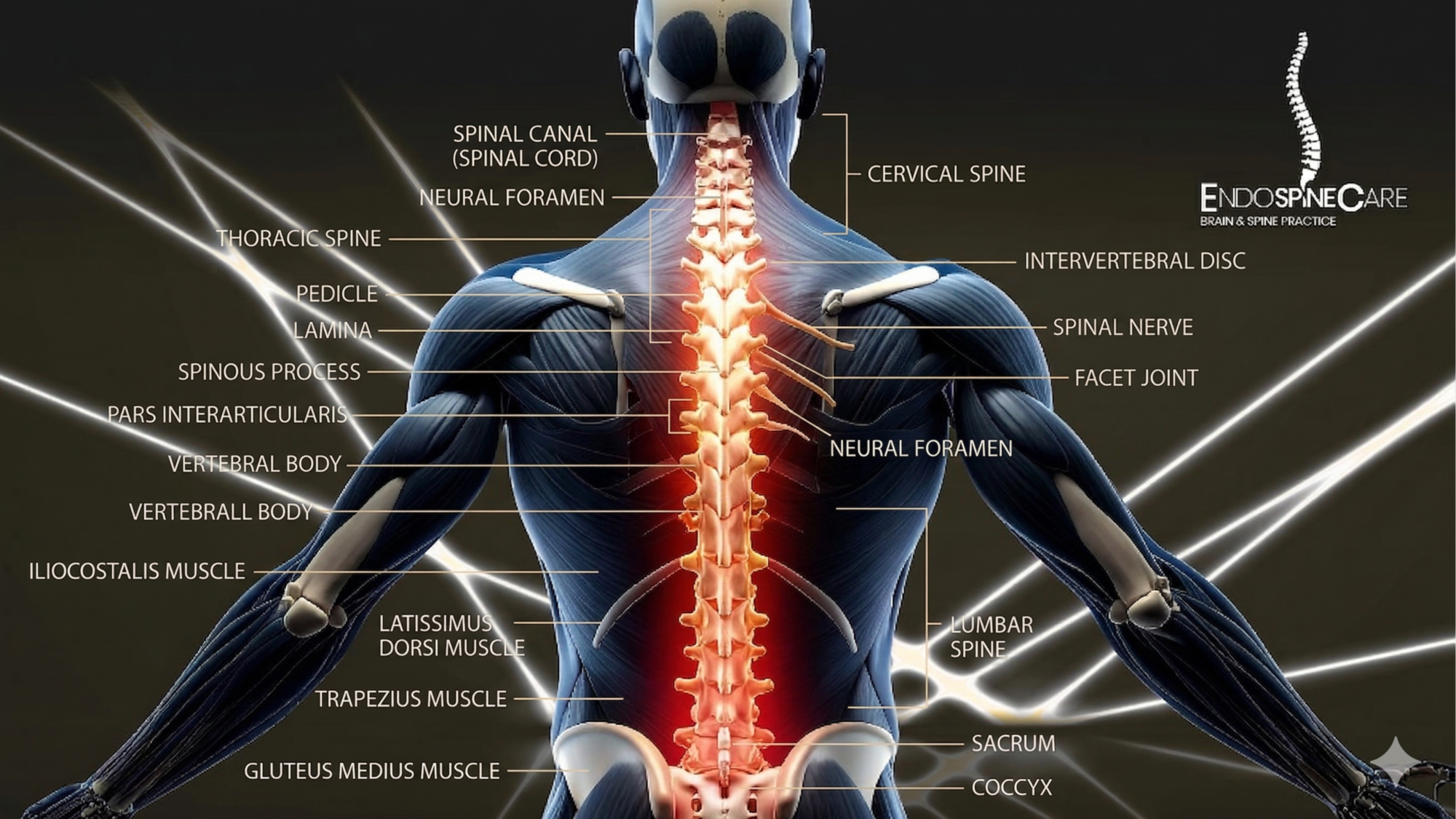
Who Is a Good Candidate for Endospine Procedures?
Not every back problem needs surgery. And not every patient with back pain is suitable for endoscopic spine surgery (endospine procedures).
Endospine surgery is a minimally invasive technique used to treat specific spine conditions. It works very well for the right patient. But choosing the right candidate is very important for success.
In this blog, we will explain:
What makes someone a good candidate
Who may not qualify
Symptoms that suggest you may benefit
Medical vs non-surgical cases comparison
A patient self-assessment checklist
What Is an Endospine Procedure?
An endospine procedure uses a small camera (endoscope) inserted through a tiny cut to treat spine problems. It is mainly used to relieve pressure on spinal nerves.
It is most effective when the problem is:
Clearly seen on MRI or CT scan
Causing nerve compression
Not improving with conservative treatment
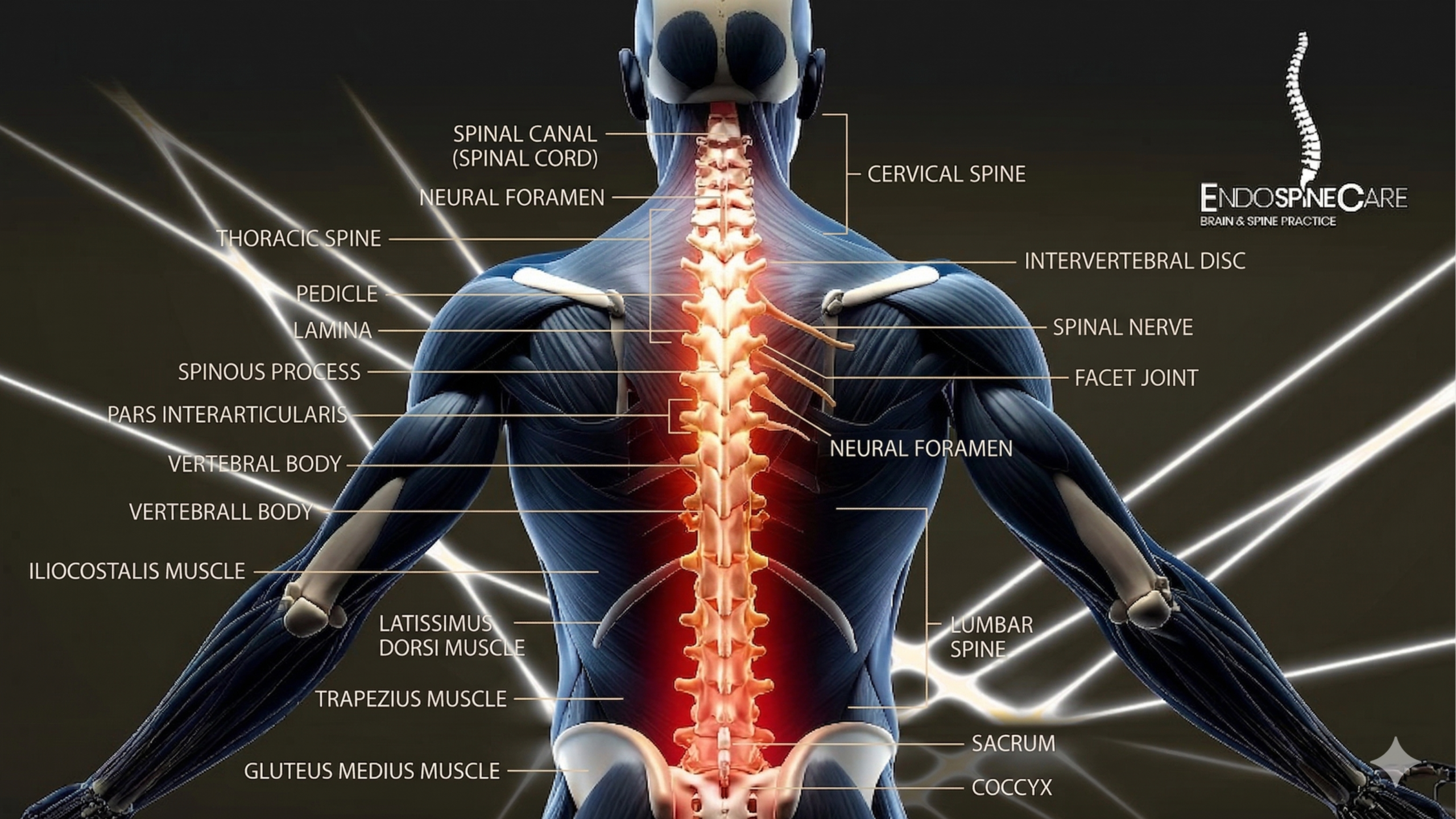
Step 1: Have You Tried Non-Surgical Treatment?
Before surgery is considered, most patients are advised to try conservative treatments such as:
Pain medication
Physiotherapy
Rest and activity modification
Epidural steroid injections
Lifestyle changes
Non-Surgical Treatment Checklist
Treatment Tried | Yes / No |
Pain medication for 4–6 weeks | |
Physiotherapy sessions | |
Back strengthening exercises | |
Steroid injection | |
Activity adjustment |
If symptoms persist after 6–12 weeks, you may be evaluated for surgery.
Step 2: Do You Have Nerve Compression Symptoms?
Endospine surgery works best for patients with nerve compression.
Symptoms That Suggest You May Be a Good Candidate
Symptom | Why It Matters |
Leg pain worse than back pain | Suggests nerve pressure |
Pain traveling down one leg | Classic nerve irritation |
Numbness or tingling | Nerve involvement |
Muscle weakness | Possible nerve damage |
Pain worse when sitting | Often disc-related |
If most of your pain is in the leg rather than the back, endoscopic surgery may be helpful.
Medical Back Pain vs Nerve Compression Pain
Muscle Back Pain | Nerve Compression Pain |
Dull ache | Sharp, shooting pain |
Stays in lower back | Travels down leg |
Improves with rest | Worsens with sitting |
No numbness | Numbness or tingling |
No weakness | Muscle weakness |
Endospine procedures are best for nerve-related pain, not simple muscle strain.
Conditions That Respond Well to Endospine Surgery
You may be a good candidate if you have:
Herniated disc
Lumbar spinal stenosis
Sciatica
Foraminal narrowing
Certain cases of degenerative disc disease
These conditions usually involve localized nerve compression, which can be treated through small access points.
Who Is an Ideal Candidate?
An ideal patient usually has:
One or two level disc problem
Clear MRI findings
Pain lasting more than 6 weeks
Failure of conservative treatment
No major spine instability
Ideal Candidate Checklist
Criteria | Yes / No |
MRI confirms disc herniation | |
Pain lasting more than 6 weeks | |
Leg pain worse than back pain | |
No major spine deformity | |
Generally healthy |
If you tick most of these boxes, you may qualify.
Who May NOT Be a Good Candidate?
Endospine procedures are not suitable for everyone.
You may NOT qualify if you have:
Severe spinal instability
Advanced scoliosis
Large spinal tumors
Severe spinal fractures
Multiple level spine disease
Uncontrolled diabetes or infection
Mild Condition vs Advanced Spine Disease
Mild / Localized Condition | Advanced Spine Disease |
One disc affected | Multiple discs damaged |
Nerve compression in one area | Severe narrowing in many areas |
Mild bone changes | Major deformity |
Good bone stability | Spine instability |
Good overall health | Serious medical problems |
Advanced conditions may require traditional open surgery instead.
Age: Does It Matter?
Age alone does not disqualify someone.
Endospine surgery can be done in:
Young adults
Middle-aged patients
Older adults (if medically stable)
However, overall health matters more than age.
What About Chronic Back Pain Only?
If your pain is:
Mostly in the center of your back
Not traveling down the leg
Related to posture or muscle strain
Then endoscopic surgery may not help.
It works best for mechanical nerve compression, not general back discomfort.
Red Flag Symptoms (Emergency Situations)
You may need urgent evaluation if you experience:
Loss of bladder control
Loss of bowel control
Severe leg weakness
Numbness around private area
These may indicate serious nerve compression requiring urgent care.
Psychological and Lifestyle Factors
A good candidate also:
Understands the procedure
Has realistic expectations
Is willing to follow post-surgery instructions
Does not smoke heavily (smoking delays healing)
Smoking increases the risk of poor recovery.
What Tests Are Needed Before Approval?
Before confirming candidacy, doctors usually request:
MRI scan
X-rays
Blood tests
Physical examination
Medical history review
These help ensure safety and accuracy.
Benefits If You Are the Right Candidate
If properly selected, endospine procedures offer:
Smaller scar
Less pain after surgery
Same-day discharge in many cases
Faster return to work
Lower infection risk
But remember: success depends on correct diagnosis and patient selection.
Frequently Asked Question
“How do I know for sure if I qualify?”
Only a spine specialist can confirm after:
Reviewing your MRI
Examining your symptoms
Checking your medical history
Self-diagnosis is not enough.
Final Thoughts
Endospine surgery is not for everyone but for the right patient, it can be life-changing.
You may be a good candidate if:
You have nerve-related leg pain
Your MRI shows clear compression
Conservative treatment has failed
Your condition is localized
You are medically stable